Transmission Repair in Savannah
If your transmission is slipping, grinding, or making strange noises, it’s not just annoying—it’s a serious problem that can leave you stranded. At Elton's Auto, we provide transmission repair services in Savannah for all makes and models. From minor fixes to complete rebuilds, we diagnose issues quickly and restore smooth shifting and performance so you don't have to worry while on the road.
Some issues can wait, but transmission problems are not one of them. Call (912) 330-0035 to schedule your service today.
Book Transmission ServiceWhy Choose Elton's Auto for Transmission Repairs?
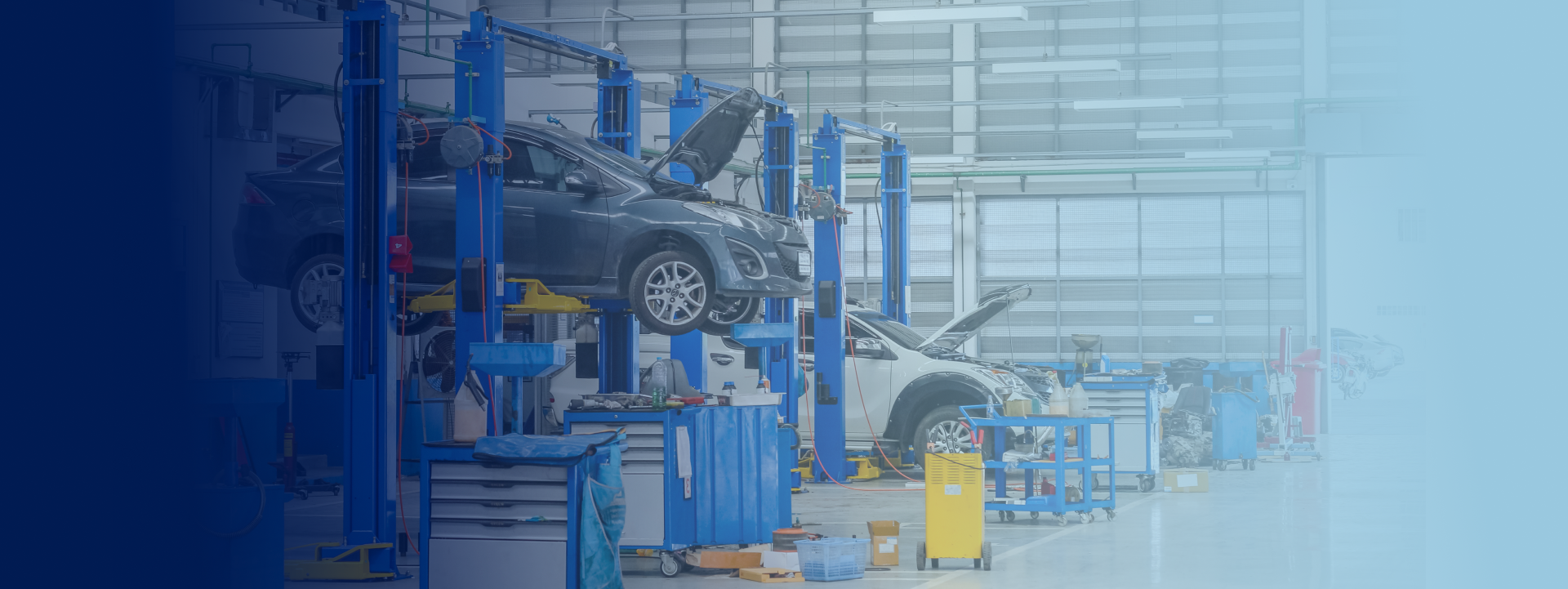
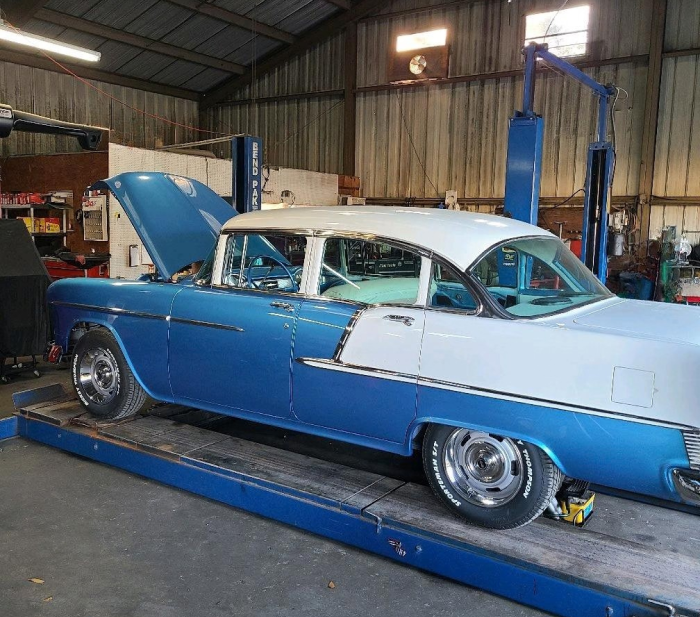
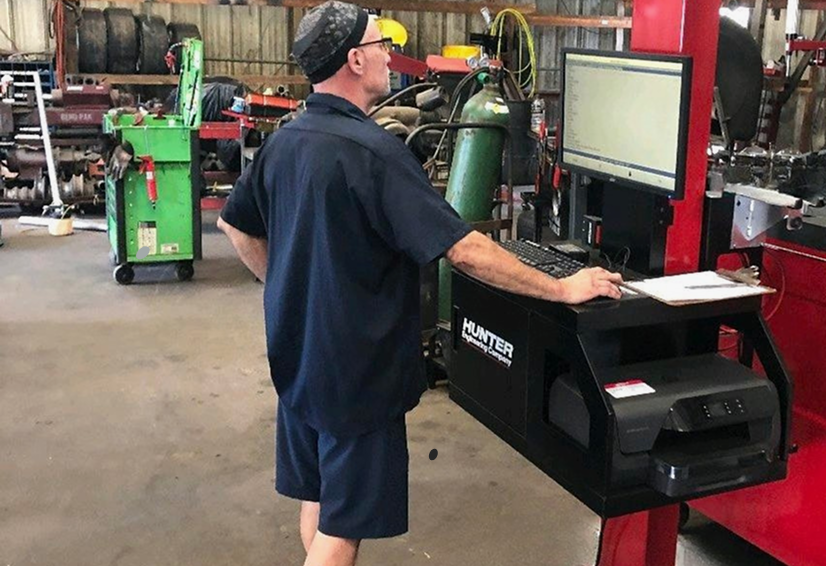
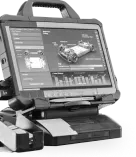
At Elton's Auto, we’ve repaired transmissions on everything from classic trucks to the newest imports. Our licensed technicians use cutting-edge diagnostic equipment built for today’s complex drivetrains, including CVTs and dual-clutch systems.
Local and out-of-town drivers rely on us because we:
- Repair all makes and models with confidence
- Staff licensed, proven technicians
- Use advanced diagnostic tools for modern transmissions
- Install upgraded parts where they’ll make the most difference
What Are the Signs of Transmission Issues?
We diagnose and repair all of the following transmission issues:
- Delayed gear engagement: Involves a noticeable pause while shifting from park to drive or reverse, typically caused by worn clutch plates or low hydraulic pressure
- Slipping gears: Involves rising RPMs without matching vehicle acceleration, often due to worn clutch packs, faulty solenoids, or internal pressure loss
- Burnt or contaminated fluid: Involves a burnt smell or darkened color, which signals overheating, internal friction damage, or clutch debris in the pan
- Unusual noises: Involves grinding, whining, or clunking sounds related to gear wear, bad bearings, or torque converter failure
- Dashboard warning lights: Involves a check engine light or transmission fault code like P0700, indicating a problem with electronic or hydraulic control systems
Each of these symptoms is a sign of a more serious issue that should be addressed immediately with full diagnostic testing to avoid transmission failure.
Can You Drive a Car With a Slipping Transmission?
Technically, you can drive a car with a slipping transmission, but it’s not recommended. Slipping increases friction, overheats internal parts, and contaminates the fluid with clutch debris, which damages the valve body and solenoids. If the issue continues, it can lead to complete failure of the input shaft or torque converter. Bringing the vehicle in by tow is a safer and more affordable option.
What Happens if You Drive With Transmission Issues?
Continuing to drive with known transmission problems can cause severe, costly damage to your vehicle and potentially put you at risk on the road.

Here’s what can happen if you keep driving with transmission trouble:
- Worsening internal damage
- Complete transmission failure
- Sudden loss of power
- Increased repair costs
- Overheating and engine stress
- Reduced fuel efficiency
- Safety hazards
If you suspect a transmission issue, it’s best to stop driving and have your vehicle inspected.
How Often Should You Change Transmission Fluid?
Most vehicles should have their transmission fluid changed every 30,000 to 60,000 miles, but the exact timing depends on the make, model, and how you drive. If you’re regularly hauling heavy loads or spend a lot of time in stop-and-go traffic, your transmission may need attention more often. To ensure your transmission stays in top shape, we can check your fluid for you and help create a service schedule that fits your needs.
How Can You Tell if Your Transmission Fluid Is Low?
Low transmission fluid can lead to serious drivability issues and damage if not caught early.
Here are some common signs your transmission fluid may be low:
- Fluid leaks
- Shaking or jerking
- Transmission overheating
- Unresponsive or sluggish acceleration
- Poor fuel economy
If you’re seeing any of these symptoms, have your vehicle inspected right away. These symptoms often point to a problem that, if left unchecked, can result in costly repairs or permanent transmission damage.
Are Transmission Flushes Really Necessary?
A transmission flush is a more in-depth process compared to just changing the fluid. It removes old fluid, along with any sludge or contaminants that may have built up in your system. This can help improve performance, especially if you’re experiencing issues like rough shifting or overheating or if the fluid looks discolored. However, not every vehicle needs a flush, and we only suggest it if we believe it will truly benefit your car’s transmission and keep it running smoothly.
What Does the Transmission Warning Light Mean?
The transmission warning light usually means the vehicle has detected a problem with how it shifts or operates. It can be triggered by issues like unusual shifting, overheating, or incorrect signals from sensors. While the car may still run, the light is a sign that something needs professional attention right away. Ignoring it can lead to reduced performance or serious damage.
How Do Mechanics Diagnose Transmission Problems?
To figure out what’s wrong with your transmission, our mechanics use a mix of road testing, computer diagnostics, and fluid inspections. This means we’ll take your vehicle for a test drive to see how it’s performing, check for any error codes using our diagnostic tools, and listen for unusual noises. We’ll also evaluate how smoothly your vehicle shifts gears and look inside the transmission pan for metal shavings or debris that might indicate wear or damage. This thorough process helps us pinpoint the issue and decide on the best fix for your car.
What’s the Difference Between Manual and Automatic Transmission Repairs?
Manual transmission repairs are usually more straightforward and involve mechanical fixes like replacing the clutch, adjusting the gear linkage, or fixing gear synchronizers. On the other hand, automatic transmission repairs tend to be more complicated because they rely on electronic components. These repairs might include fixing solenoids, replacing sensors, or servicing the valve body, which controls how the transmission shifts.
While both require proper care, automatic repairs often require specialized knowledge and tools due to their complexity.
Schedule Transmission Repairs Today
Don’t let transmission issues leave you stranded or cost you a full rebuild when early intervention could save you thousands. Elton's Auto provides transmission repair in Savannah backed by expert diagnostics and real mechanical solutions.
Looking for transmission repair in Savannah? Contact us at (912) 330-0035.